
Custom Precision Sheet Metal Welding Services: TIG, MIG & Robotic Laser Welding
Certified structural and cosmetic welding for complex sheet metal enclosures, frames, and pressure-tight vessels. Utilizing precision clamping fixtures, AWS-certified welders, and automated 6-axis robotic welding cells to deliver leak-tight seams, controlled thermal distortion, and seamless ground corner aesthetics.
- Welding Standards: AWS D1.1 (Steel), AWS D1.2 (Aluminum) & ISO 3834 certified
- Testing Guarantee: 100% Dye-penetrant (NDT) & pneumatic bubble leak inspection
- Seam Quality: Flawless cosmetic TIG fish-scale beads or ground flush #4 finish
- Assembly Scale: 1-piece structural prototypes to 10,000+ robotic welded series
Multi-Discipline Precision Metal Joining Capabilities
Precision TIG Welding
Non-consumable tungsten electrode shielded by pure argon. Delivers ultra-clean, spatter-free, aesthetic fish-scale ripple beads on thin aluminum and stainless steel enclosures down to 0.8 mm without burn-through.
High-Efficiency MIG Welding
Continuously fed wire electrode providing high deposition rates and deep joint penetration. Ideal for heavy carbon steel base frames, structural chassis, and thick bracket assemblies requiring maximum tensile strength.
6-Axis Robotic Fiber Laser Welding
Ultra-narrow, concentrated heat source delivering high travel speeds (up to 3 m/min) with a microscopic Heat-Affected Zone (HAZ). Reduces thermal part warpage by 80% compared to arc welding, perfect for volume EV battery trays and thin-walled ducting.
Resistance Spot Welding
Joins overlapping sheet metal brackets, stiffener ribs, and internal card guides in milliseconds without filler wire or surface burning. Highly economical for high-volume server chassis and commercial electronic boxes.
Metal Welding Capabilities & Quality Compliance Thresholds
Operational engineering limits for precision TIG, MIG, robotic laser, and spot-welded assemblies.
| Welding Parameter | Standard Fabrication Baseline | High-Precision / Leak-Tight Grade |
|---|---|---|
| Supported Welding Processes | Manual TIG (GTAW), Manual MIG (GMAW) | Robotic Fiber Laser, Spot Welding, Micro-TIG |
| Assembly Positional Tolerance | ±1.0 mm (0.040”) | Down to ±0.30 mm (±0.012”) (Dedicated Fixturing) |
| Enclosure Diagonal Squareness | Within 2.0 mm across corners | Within 0.8 mm (Precision Clamping Tables) |
| Weldable Sheet Thickness Range | 1.2 mm – 12.0 mm | 0.5 mm Foil up to 25.0 mm Structural Plate |
| Weld Quality Standards | AWS D1.1 (Structural Steel - Visual) | AWS D1.2 (Aluminum), AWS D17.1 (Aerospace), ISO 3834 |
| Non-Destructive Testing (NDT) | 100% Visual Inspection (VT) | Dye-Penetrant (PT/DPI), Macro-Etch & Ultrasonic |
| Leak-Tight Pressure Testing | Atmospheric Visual Check | Submerged Pneumatic Bubble Test & Hydrostatic up to 10 Bar |
| Weld Seam Aesthetic Options | As-Welded Uniform Fish-Scale | Ground Flush & Blended #4 Linear Brushed Finish |
| Maximum Weldment Envelope | 2000 × 1200 × 1000 mm | Up to 3500 × 2000 × 1500 mm (Heavy Frames up to 2 Tons) |
Common Materials Optimized for Metal Welding
Metals
Aluminum
Common Grades: 5052-H32, 6061-T6
5052 welds effortlessly with ER5356 wire; 6061 requires ER4043/5356 filler with strict pre-cleaning and heat dissipation blocks to prevent hot-cracking and loss of structural temper.
Stainless Steel
Common Grades: 304/304L, 316/316L
Low-carbon grades prevent chromium carbide precipitation (sensitization) and intergranular corrosion; welded with ER308L/ER316L filler wire for sanitary food tanks and chemical washdown enclosures.
Carbon Steel
Common Grades: SPCC, SPHC, A36, Q235
Outstanding structural weldability with ER70S-6 wire; ideal for high-strength machine base frames, heavy brackets, and structural chassis.
Copper & Brass
Common Grades: C110, C260
Ultra-high thermal conductivity; joined via specialized high-power pulsed TIG, TIG-brazing (silicon bronze wire), or fiber laser welding for heavy electrical busbars.
Titanium
Common Grades: Grade 2, Grade 5 Ti-6Al-4V
Welded in strict inert argon purge chambers or with trailing shield shoes to prevent atmospheric oxygen/nitrogen contamination and joint embrittlement.
Surface Finishing & Weld Seam Conditioning

Ground Flush & Blended Seams
Using abrasive flap discs and Dynafile pneumatic belts to grind exterior corner weld seams flush with the base sheet, recreating a continuous #4 linear grain across the entire cabinet corner.
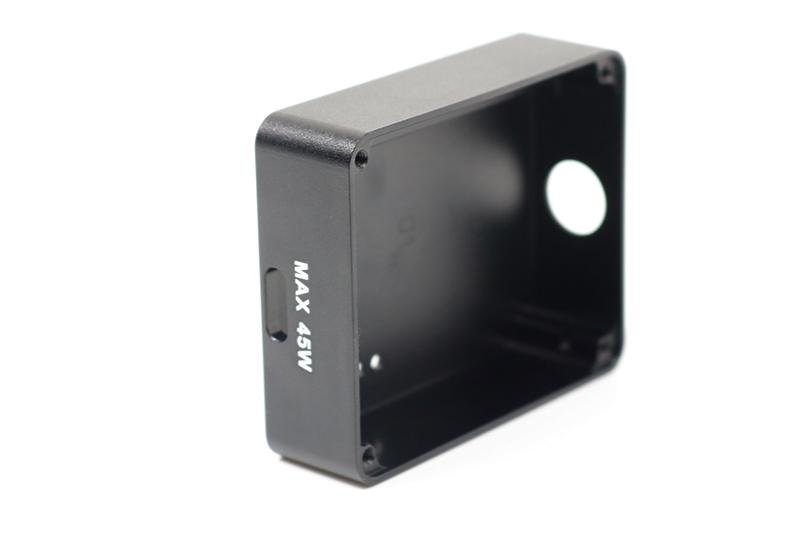
Acid Pickling & Chemical Passivation
Immersion or pickling paste treatment on stainless steel weldments to dissolve dark heat-tint scale (ferrous oxides) and restore the passive chrome-oxide layer.
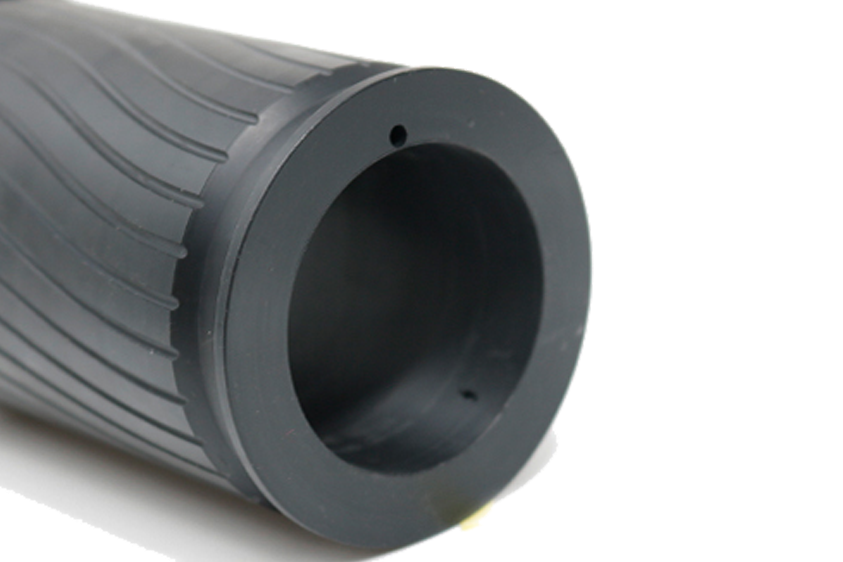
Electrostatic Powder Coating
Complete encapsulation of welded carbon steel frames with chip-resistant polyester powder, covering all interior seam crevices.

Electrolytic Zinc Plating & Hot-Dip Galvanizing
Complete immersion zinc bath providing cathodic sacrificial protection across inner structural tubing and welded brackets.

Glass Bead Blasting
Leaves a uniform, satin-matte texture across both the parent metal sheet and the weld bead, hiding minor heat discoloration on aluminum assemblies.
Heavy-Duty Welded Assemblies Across Critical Sectors

Cloud Telecom & Data Center Infrastructure
NEMA 4X / IP66 weatherproof outdoor telecom cabinets, sealed battery junction enclosures.

EV Powertrains & Renewable Energy
Liquid-cooled aluminum EV battery pack lower housings, hermetic power inverter housings.

Medical Devices & Healthcare Equipment
Stainless steel mobile diagnostic cart chassis, autoclave pressure chambers, surgical table frames.

Food, Dairy & Pharmaceutical Processing
Sanitary CIP washdown stainless steel tanks, welded conveyor side guide rails.

Industrial Automation & Robotics
Heavy-duty structural steel machine base frames, 6-axis robot mounting pedestal stands.

Aerospace & Defense
Lightweight welded 5052 aluminum avionics cooling chassis, titanium engine ducting brackets.
Engineered for Structural Integrity: Why Sourcing Leaders Choose XR Precision
Comprehensive Thermal Distortion Control
Uncontrolled welding heat twists sheet metal panels out of square. We deploy modular 3D welding tables, custom copper chill bars, and engineered alternating "skip-welding" stitch sequences to dissipate heat rapidly, holding overall cabinet diagonal squareness within 0.8 mm.
100% Certified Pressure Leak & NDT Testing
For fluid tanks and IP66 electrical enclosures, visual inspection is never enough. We perform submerged pneumatic bubble leak testing up to 10 Bar and ASTM E1417 dye-penetrant (PT) testing on every critical pressure seam before packaging.
Certified Welders & 6-Axis Robotic Automation
Our manual craftsmen hold AWS D1.1, AWS D1.2, and EN ISO 9606 certifications for complex prototypes. For mass production runs of thousands of units, we transition parts to 6-axis robotic welding cells, locking in 100% penetration consistency and cutting labor cycle costs.
Seamless Post-Weld Benching & Powder Coating
You avoid shipping welded frames to separate grinding shops or powder coating vendors. We grind, grain, passivate, coat, and install sealing gaskets in-house, accepting total end-to-end accountability for finished assembly tolerances.
Multi-Tiered Weld Metrology & Quality Verification
Weld integrity is verified through rigorous non-destructive and dimensional testing. XR Precision certifies structural soundess and dimensional compliance for every production lot.
Inspection Capabilities Roster
- Liquid Penetrant Inspection (PT/DPI): Fluorescent dye testing identifying surface micro-fissures, pinhole porosity, and lack of fusion.
- Pneumatic & Hydrostatic Pressure Test Stations: Validating hermetic sealing on fluid reservoirs and outdoor enclosures up to 10 Bar.
- Zeiss CMM with Spatial Probing: Measuring true position of welded studs, hinge alignments, and door gap parallelism.
- Metallurgical Macro-Etch Cross-Sectioning: Destructive cut-and-polish sample testing verifying weld throat thickness and root penetration depth.
Deliverable Quality Documents
- AWS / ISO Welder Performance Qualification Records (WPQR) & Welding Procedure Specifications (WPS)
- NDT Dye-Penetrant Inspection Reports & Pressure Leak Test Certificates
- Raw Material & Filler Wire Mill Test Reports (MTR / Mill Certs)
- Certificate of Conformance (CoC)
How We Work
Step 1: Joint Design & DFM Weldability Review
We analyze weld joint accessibility, filler wire selection, and thermal expansion relief within 12 hours.
Step 2: Modular Clamping & Robotic Path Programming
Designing dedicated heat-sink fixturing to lock parts in place during fusion.
Step 3: Certified TIG / MIG / Robotic Laser Welding
Executing controlled stitch passes with in-process visual and heat-monitoring checks.
Step 4: Seam Grinding, Leak Testing & Export Packaging
Cosmetic corner grinding, 100% bubble leak test, protective corner foam crating, and worldwide shipping.
Explore Complementary Sheet Metal Processes
Need precision pre-weld parts or alternative high-volume joining solutions? Discover our full-chain fabrication capabilities:

Need Oxide-Free Laser Blanks for Clean Welds?

Need Precision Bent Panels Prior to Assembly?

Eliminate Welding Labor with Seamless Stamping?
Metal Welding FAQs
How do you prevent thin sheet metal enclosures from warping during welding?
We employ a multi-step thermal distortion mitigation strategy: (1) Designing modular clamping fixtures equipped with heavy copper chill bars that draw heat rapidly away from the weld zone; (2) Utilizing intermittent “staggered stitch welding” rather than continuous linear passes; (3) Implementing robotic fiber laser welding, which delivers up to 80% less heat input than traditional TIG welding; (4) Pre-bending parts with deliberate counter-deflection allowances.
What is the main difference between TIG and MIG welding for sheet metal?
TIG (GTAW) uses a non-consumable tungsten electrode and offers pinpoint heat control, producing spatter-free, aesthetically pleasing fish-scale beads ideal for thin sheets (< 3 mm), stainless steel, and aluminum cosmetic corners. MIG (GMAW) uses an automatically fed consumable wire, providing faster travel speeds and deeper penetration, making it more cost-effective for heavy structural frames and brackets thicker than 3 mm.
Why is acid pickling and passivation mandatory after welding stainless steel?
The high heat of welding creates a dark, rainbow-colored “heat tint” (oxide scale) along the weld bead, depleting the protective chromium layer from the surface metal beneath it. If left untreated, this heat-affected zone will rust quickly. Acid pickling chemically dissolves the oxide scale, and passivation restores a uniform, corrosion-resistant chromium-oxide passive film across the entire welded area.
Can you guarantee watertight or oil-tight welded enclosures?
Yes. For all sealed enclosures (IP65, IP66, NEMA 4X) and fluid reservoir tanks, we conduct 100% submerged pneumatic bubble leak testing or hydrostatic pressure testing up to 10 Bar. Any pinhole micro-voids are gouged out, re-welded, and re-tested before surface finishing.