
Custom Precision Sheet Metal Benching Services: Hardware Insertion & Cosmetic Finishing
High-precision bench work, automated PEM fastener insertion, uniform edge-rounding, and cosmetic grain blending. Utilizing servo-controlled insertion presses, multi-axis vibratory deburring, and articulated tapping arms to guarantee zero missing hardware, 100% burr-free safety edges, and seamless welded corners ready for flawless powder coating.
- Fastener Reliability: 0 PPM missing hardware via automated optical & force sensors
- Edge Safety: Uniform R 0.2 mm – 0.5 mm edge rounding for optimal paint adhesion
- Thread Integrity: 100% thread gauge verified (M2 to M12 / #2-56 to 1/2-13)
- Cosmetic Finish: Flawless #4 linear grain and seamless weld seam blending
Comprehensive Metal Fitting, Hardware & Surface Dressing
Automated PEM Fastener Insertion
Automated bowl-fed hydraulic and pneumatic insertion presses (Haeger / Pemserter) with positive-stop force control. Seamlessly installs self-clinching nuts, threaded standoffs, flush-head studs, and cable tie mounts without damaging painted or plated surfaces.
Automated Edge Rounding & Timesavers Deburring
Advanced rotary brush and wide-belt deburring machines pass over sheet parts to eliminate microscopic laser-pierce dross and razor-sharp shear edges. Generates a safe, uniform R 0.2 mm to R 0.5 mm radius on all external and internal cutouts, eliminating paint pull-back.
Precision Articulated Thread Tapping & Countersinking
High-torque articulated tapping arms with micro-depth stops ensure perpendicular threads across heavy plates and multi-flange bent brackets. Eliminates tap breakage, cross-threading, and chip galling in blind holes.
Cosmetic Weld Dressing & Scotch-Brite Graining
Specialized bench craftsmen utilize Dynafile pneumatic belts, non-woven Scotch-Brite flap wheels, and linear stroke sanders to grind corner weld beads flush with base metal, restoring a continuous, unblemished linear grain across the entire enclosure.
Metal Benching, Hardware & Edge Conditioning Specifications
Operational engineering standards for fastener insertion, edge rounding, and cosmetic finishing.
| Benching Parameter | Standard Workshop Baseline | High-Precision / Aerospace Grade |
|---|---|---|
| Hardware Fastener Types | Standard Clinch Nuts, Standoffs, Studs | Full PEM Catalogue, Flush-Head, Blind Rivets, Keyed Inserts |
| Hardware Size Range | M3 to M8 (#4-40 to 5/16-18) | M2 to M12 (#2-56 up to 1/2-13) |
| Fastener Retention & Push-Out | Visual Seating Check | 100% Verified against PEM MIL-STD Push-out & Torque-out specs |
| Edge Rounding Radius | Hand file deburring (R < 0.1 mm) | Consistent R 0.2 mm – 0.5 mm (Rotary Brush Deburred) |
| Thread Tolerance & Pitch | ISO 6H / ANSI 2B Standard | Class 3B / 4H Tight Precision (100% Go/No-Go Gauged) |
| Weld Seam Blending Flushness | Within 0.3 mm proud | 100% Flush (< 0.05 mm step) with grain-matched finish |
| Cosmetic Graining Texture | Manual DA Orbital Sanding (Random) | Linear #4 Architectural Satin Grain (Timesavers stroke sander) |
| Missing Hardware Error Rate | Manual operator inspection | 0 PPM Defect Guarantee (Force-Stroke Auto-Sensors) |
| Max Sheet Bed Conditioning | 1500 × 1000 mm | Up to 3000 × 1300 mm (Wide-Belt Machine Bed) |
Common Materials Optimized for Metal Benching
Metals
Aluminum
Common Grades: 5052-H32, 6061-T6
Ductile parent sheets accept standard steel (CLS) and stainless (S) clinch hardware with high push-out resistance; rotary brush edge rounding prevents burr flaking before anodizing.
Stainless Steel
Common Grades: 304, 316L
Demands specialized high-hardness precipitation-hardened PEM inserts (Type SP) to prevent stripping; responds beautifully to stroke-sanded #4 directional satin graining and corner blend grinding.
Carbon Steel
Common Grades: SPCC / CRS, SPHC
Cleanly tapped with servo arms; accepts cost-effective zinc-plated clinch studs and nuts without panel distortion.
Galvanized Steel
Common Grades: SECC, SGCC
Clinch hardware cold-flows zinc-coated parent metal into locking grooves, maintaining corrosion resistance around the fastener perimeter.
Copper & Brass
Common Grades: C110, C260
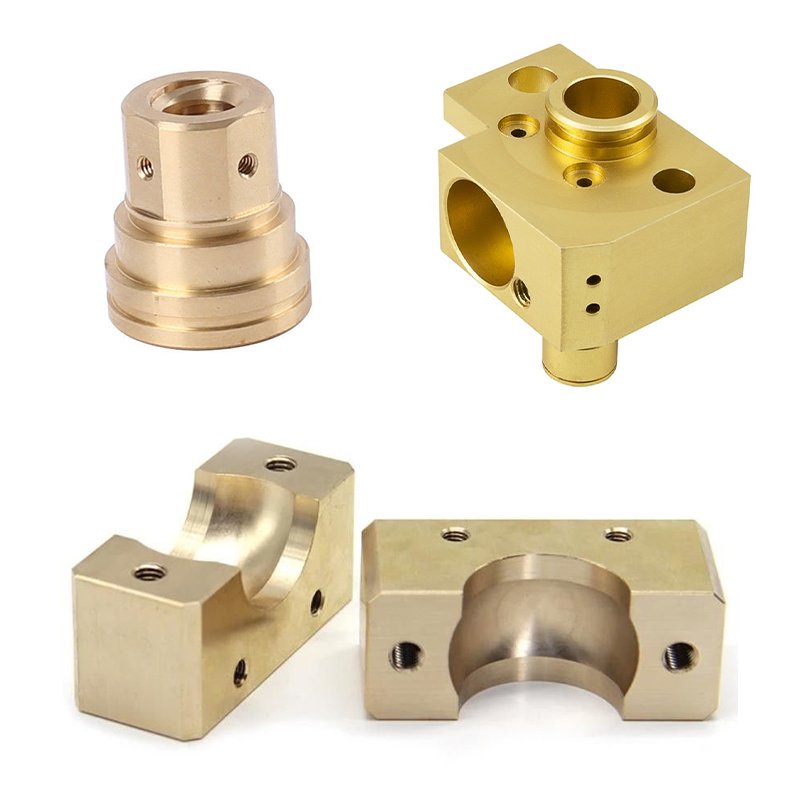
High electrical conductivity; fitted with heavy-duty copper grounding studs and brass standoffs for high-current power distribution plates.
Titanium
Common Grades: Grade 2, Grade 5
Grade 2 allows cold bending with generous radii; Grade 5 (Ti-6Al-4V) requires heated tool forming to overcome severe springback for aerospace brackets.
Surface Conditioning & Finishing Integration

Timesavers Linear #4 Satin Graining
Belt-graining stainless steel and aluminum panels with Scotch-Brite abrasive media, providing a clean, non-reflective architectural finish.
Rotary Brush Edge Rounding
R 0.2–0.5 mm uniform edge radii ensure molten electrostatic powder coat wraps around corners without thinning out or chipping.
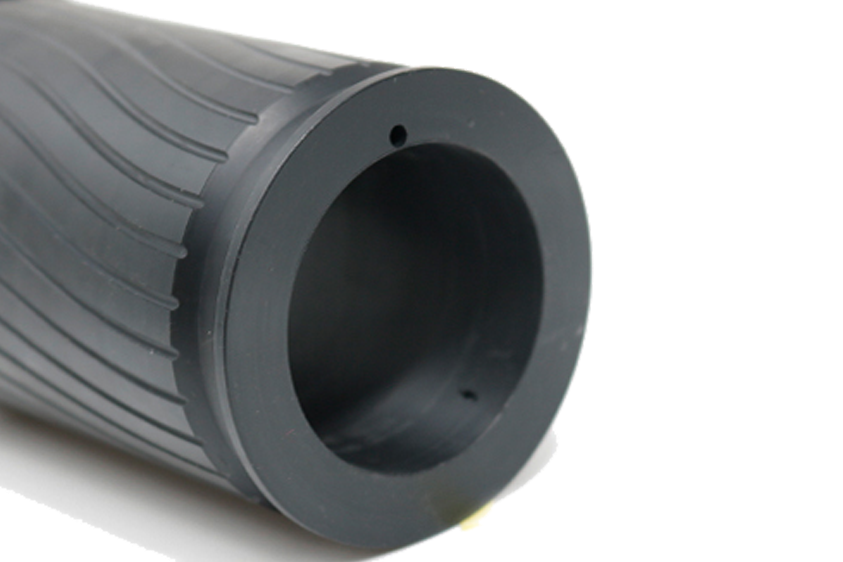
Centrifugal & Vibratory Tumbling
Batch deburring and descaling using ceramic or plastic media, smoothing sharp stamped or laser-cut edges on thousands of small brackets simultaneously.

Corner Weld Grinding & Grain Blending
Progressively sanding welded seams using 60-grit through 240-grit flap wheels to make box corners look like single-piece seamless stampings.

Passivation (ASTM A967)
Mandatory chemical immersion for stainless steel assemblies following tapping and grinding to eliminate free-iron particles deposited by tooling.
Precision Fitted Assemblies Across Critical Sectors

Server & Telecommunication Chassis
19-inch 1U/2U rackmount server chassis with matrices of over 50 pressed threaded standoffs and ground studs.

Medical Diagnostic Cart Enclosures
Seamlessly welded, corner-blended #4 satin stainless steel exterior panels with no pinch points or razor edges.

Avionics & Flight Control Hardware
High-reliability aluminum instrument cases fitted with miniature blind locking nuts (MS/NAS standards).

EV Power Inverters & Battery Enclosures
Cold-rolled steel inverter chassis equipped with heavy copper grounding studs and flush-head mounting bolts.

Industrial Automation & Robotics
Multi-axis servo driver brackets with tapped M3/M4 hole patterns and deburred wire-pass-through ports.

Precision Optical & Laboratory Systems
Light-tight spectrometer enclosures with countersunk hardware and glare-free bead-blasted surfaces.
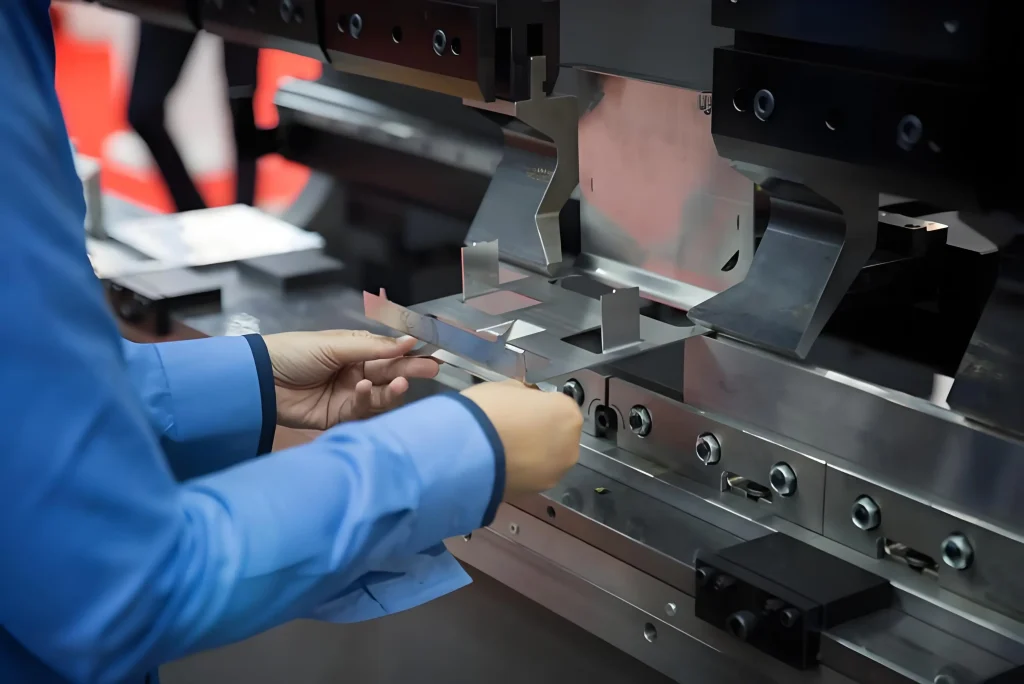
Zero-Defect Assembly: Why Procurement Teams Rely on XR Precision for Benching
Automated Optical & Force-Stroke Sensing
A single missing PEM nut can halt a client's final automated assembly line. Our Haeger insertion presses feature built-in load cells and linear stroke sensors. If a fastener is missing, misfed, or inserted below the required tonnage, the machine halts immediately, locking in a 0 PPM missing hardware record.
Certified Edge Rounding for 1,000-Hour Salt Spray Adhesion
Liquid paint and powder coating naturally pull away from sharp 90° razor edges, leaving a micro-thin coating that corrodes within months. Our automated rotary-brush edge rounding ensures a continuous R 0.2–0.5 mm radius, guaranteeing full paint thickness and passing 1,000-hour ASTM B117 salt spray tests.
Articulated Tapping Arms with Depth Stops
Hand tapping leads to crooked threads and snapped taps embedded in finished enclosures. We deploy articulated pneumatic and servo tapping arms with automatic reverse and micro-depth limiters, ensuring 100% perpendicular, clean threads even in blind holes.
Turnkey Sub-Assembly Readiness
We don't just ship bent metal. We deliver complete mechanical sub-assemblies: installing captive quarter-turn fasteners, pre-assembling piano hinges, inserting EMI shielding gaskets, and installing plastic card guides so your production line runs at maximum velocity.
Certified Hardware Retention & Aesthetic Metrology
Thread integrity and cosmetic excellence are verified with quantitative instruments. XR Precision certifies mechanical holding strength and surface uniformity for every batch.
Inspection Capabilities Roster
- Hydraulic Push-Out & Torque-Out Test Gauges: Verifying hardware holding force against PEM manufacturer published engineering standards.
- Calibrated Thread Plug & Ring Go/No-Go Gauges: 100% verification of tapped and clinch threads to Class 6H/2B standards post-coating.
- Surface Roughness Testers & Gloss Meters: Quantifying Ra finish on #4 brushed panels and measuring coating gloss levels (60° geometry).
- 2D Optical Comparators: Inspecting edge-rounding radii and countersink depths.
Deliverable Quality Documents
- Fastener Push-Out & Torque Retention Quality Certificates
- 100% Thread Go/No-Go Inspection Checklists
- First Article Inspection (FAI) reports for cosmetic surface graining
- Certificate of Conformance (CoC)
How We Work
Step 1: 3D CAD & Hardware Fitment Audit
We verify hole-to-edge clearances, sheet thickness compatibility, and fastener part numbers within 12 hours.
Step 2: Automated Rotary Edge Rounding
Eliminating laser burrs and applying safe R 0.2–0.5 mm radii across all contours.
Step 3: Force-Monitored PEM Insertion & Tapping
Servo-controlled pressing with automated bowl-feed and optical load-monitoring.
Step 4: Cosmetic Graining, Thread QC & Interleaved Crating
Weld dressing, #4 satin stroke sanding, 100% thread gauge verification, and static-cling foam protective crating.
Explore Complementary Sheet Metal Processes
Complete your fabrication pipeline with our upstream precision cutting, forming, and mass production tooling:

Need Finished Features Directly off Stamping Tooling?

Require Robust Structural or Leak-Tight Welding?

Need Accurate Multi-Flange Forming & Channels?
Metal Benching FAQs
Why do sharp 90-degree laser-cut edges cause powder coat paint to chip and rust?
During the electrostatic powder coating cure cycle, surface tension naturally pulls the liquid paint away from razor-sharp 90° edges, resulting in a paint film that is up to 70% thinner on the edge than on flat surfaces. This thin edge chips easily during handling and exposes the underlying steel to atmospheric moisture. Our automated rotary-brush edge rounding applies a uniform R 0.2 mm to R 0.5 mm radius, ensuring equal paint thickness over the edge and preventing premature rust.
What is the difference between self-clinching (PEM) fasteners and riveted nuts (Rivnuts)?
Self-clinching fasteners are pressed into a precisely sized hole, causing the parent sheet metal to cold-flow into an undercut ring on the fastener shank. This results in a permanent, high-strength thread with a flush finish on the reverse side. Riveted nuts (Rivnuts / blind nuts) are installed from one side like a pop rivet, creating an expanded bulb on the blind side; they are ideal for hollow tubing or closed box sections where the back side is inaccessible.
How do you blend corner weld beads so they look like a single seamless part?
Our bench craftsmen use a multi-step progressive sanding protocol:
- Heavy-grit zirconia abrasive belts knock down the proud weld bead to within 0.1 mm of the parent sheet;
- Medium-grit Dynafile pneumatic belts blend the joint flush with the adjacent metal;
- Non-woven Scotch-Brite conditioning belts match the directional #4 graining of the original sheet, rendering the weld seam completely invisible beneath the final finish.
Can PEM clinch hardware be installed after powder coating or plating?
Ideally, clinch hardware is installed before surface finishing so the fastener is plated or coated along with the enclosure, ensuring unified corrosion protection and masking threads as required. However, for stainless steel clinch nuts installed into pre-painted aluminum, we can press hardware post-coating using urethane tooling to avoid marring the finished paint.