
Custom Precision EDM Machining Services: Wire EDM & Sinker EDM Solutions
Non-contact thermoelectric erosion for hardened metals, complex sharp-corner profiles, and fragile deep cavities. Delivering repeatable tolerances down to ±0.002 mm (±0.0001”) with zero cutting stress, no burrs, and the ability to machine conductive alloys up to 70 HRC.
- Precision Tolerance: Down to ±0.002 mm (±0.0001”)
- Material Hardness: Machines any conductive metal up to 70 HRC (Carbide, D2, Inconel)
- Internal Radii: Tight internal square corners down to R 0.05 mm (0.002”)
- Zero Mechanical Stress: No cutting forces, preserving delicate thin-walled geometries
Multi-Process Electrical Discharge Machining Capabilities
Precision Wire EDM
Continuously traveling spool of brass or coated micro-wire (down to Ø 0.10 mm) submerged in deionized water. Perfect for cutting through-features, tall extrusion dies (up to 400 mm thick), internal keyways, precision gears, and 4-axis independent top/bottom taper geometries.
Sinker / Ram EDM
Custom CNC-machined copper or graphite electrodes plunge into the workpiece to erode blind 3D cavities, complex internal rib matrices, undercut latches, and textured mold cavities compliant with VDI 3400 standards.
Small-Hole EDM Drilling
High-speed rotating tubular brass or copper electrodes flush dielectric fluid through pressurized cores, burning deep, burr-free micro-holes (from Ø 0.15 mm to 3.0 mm) through hardened steels at depth-to-diameter aspect ratios exceeding 100:1.
EDM Machining Specifications & Operating Thresholds
Engineering parameters for high-precision Wire EDM, Sinker EDM, and Small-Hole Drilling.
| EDM Parameter | Standard Wire/Sinker EDM | High-Precision / Micro Grade |
|---|---|---|
| Machining Tolerance | ±0.005 mm (±0.0002”) | Down to ±0.002 mm (±0.0001”) (Multi-Pass Wire) |
| Workpiece Hardness Capability | Annealed or Pre-hardened Steels (30–45 HRC) | Up to 70 HRC (Hardened D2, Carbide, Inconel) |
| Minimum Internal Corner Radius | R 0.15 mm (Standard Ø 0.25 mm wire) | R 0.05 mm (Ultra-fine Ø 0.10 mm micro-wire) |
| Maximum Workpiece Thickness | Up to 250 mm Height | Up to 400 mm (Submerged Tall Extrusion Blocks) |
| Taper Angle Capability (Wire) | ±15° over 100 mm | Up to ±30° (Independent UV 4-Axis Axis Offset) |
| Surface Finish (Ra / VDI 3400) | Ra 1.6 μm – 0.8 μm (VDI 24–18) | Down to Ra 0.2 μm – 0.1 μm (VDI 12 / Mirror finish) |
| Small-Hole Drilling Diameter | Ø 0.5 mm – Ø 3.0 mm | Down to Ø 0.15 mm (Micro-orifice electrode) |
| Cutting Stress & Burr Formation | Zero Mechanical Cutting Forces | 100% Burr-Free Edges (No deburring required) |
| Production Volume | 1 – 20 pcs (Tooling, Punches, Prototypes) | 1,000+ pcs (Multi-Part Stacked Sheet Cutting) |
Common Materials Optimized for CNC Routing
We machine certified metal billets and extruded engineering plastic blocks. Full Material Test Reports (MTR) provided.
Metals
Aluminum
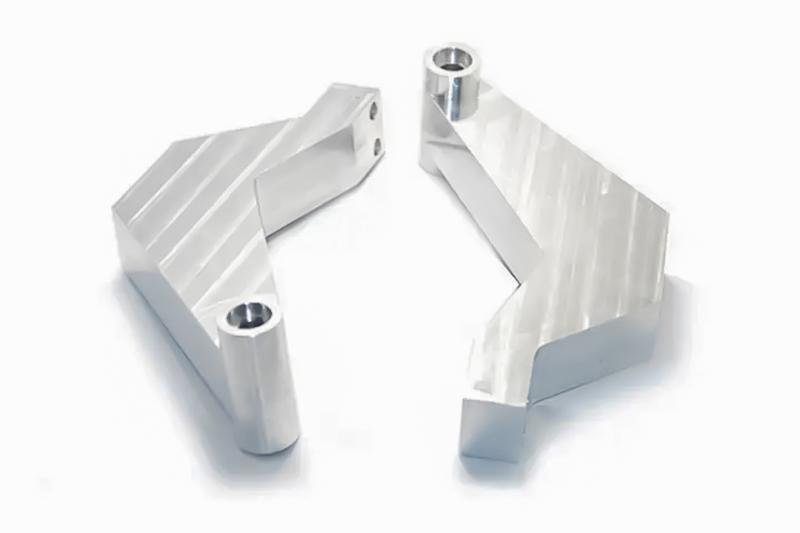
High electrical conductivity allows rapid Wire EDM cutting rates for tall prototype extrusions and lightweight drone nodes.
Copper
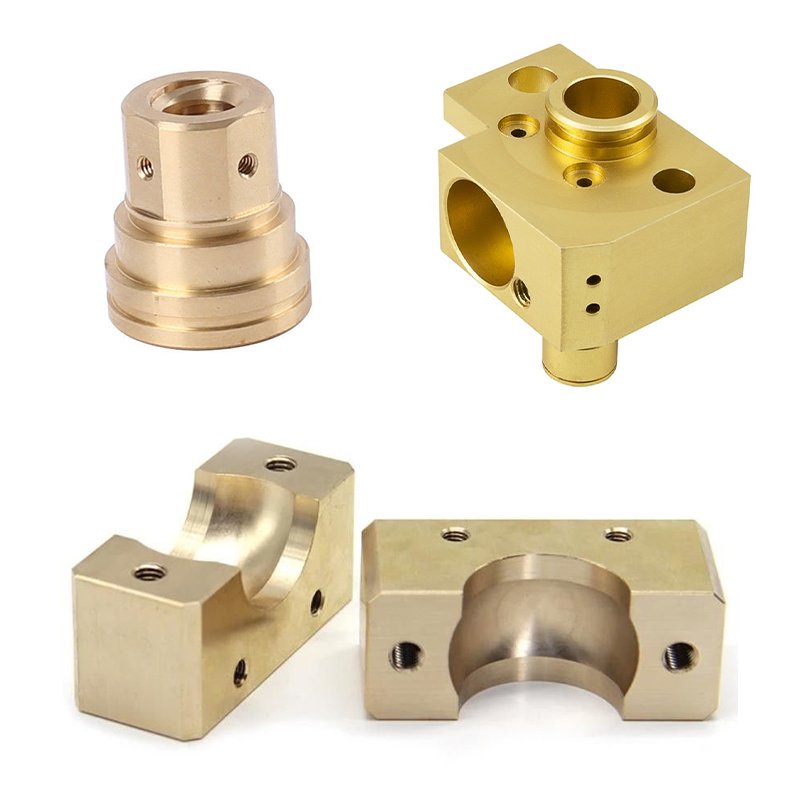
Extensively used both as the raw workpiece (for RF microwave guides and heatsinks) and as precision discharge electrodes for sinker EDM.
Brass
Extensively used both as the raw workpiece (for RF microwave guides and heatsinks) and as precision discharge electrodes for sinker EDM.
Bronze
Wire-cut into intricate internal splines, flanged keyways, and marine anti-friction bushings.
Steel
The benchmark for EDM. Quenched and tempered blocks are wire-cut into punch dies, ejector holes, and intricate stamping cavities with zero cutting tool breakage.
Stainless Steel
Cleanly sliced into medical biopsy mechanisms, burr-free fluid slots, and surgical implant threads.
Titanium
Machined into complex bone-fixation plates and aerospace bracket cutouts without generating residual mechanical stress or tool galling.
Surface Treatments & Recast Layer Mitigation

As Machined
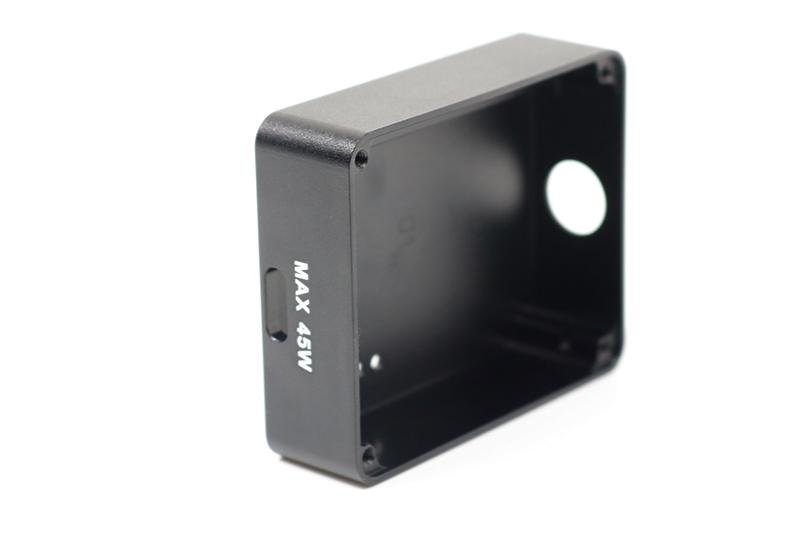
Uniform, non-directional matte spark finish ranging from VDI 12 (semi-gloss, Ra 0.4 μm) to VDI 36 (spark erosion texture); ideal for mold traction and non-glare tooling.
Micro-Polishing
Ultra-fine diamond paste lapping removing the 2–5 μm metallurgical recast layer on critical bearing surfaces to restore virgin base metal fatigue resistance.
Stress-Relief Annealing
Vacuum heat treatment to eliminate micro-crack risks and hydrogen embrittlement on aerospace-grade titanium and high-tensile tool steels.

Electroless Nickel & Chrome Plating
Applied over wire-cut internal gears and guide bushings to enhance sliding lubricity and chemical corrosion barriers.

PVD / DLC / TiN Thin-Film Coating
Adds a 2–3 μm ceramic-hard layer (up to 3000 HV) directly onto finished EDM punch inserts for millions of stamping cycles.

Passivation
Chemical bath neutralizing free iron contaminants on stainless steel medical wire-cut jaws.
Critical EDM-Engineered Components Across Global Industries

Tool & Die / Injection Mold Making
Hardened S136 core inserts, lifter blades, deep rib matrices, custom punch blanks.

Medical Devices & Surgical Instruments
Micro-articulated surgical biopsy jaws, endoscopic snare tips, bone rasp teeth.

Automotive Powertrain & Motorsport
Internal spline keyways, precision planetary gear teeth, prototype rack-and-pinion teeth.

Electronics & Semiconductor
Ultra-precise lead frame stamping dies, micro-switch contact springs, probe card sockets.

Aerospace Propulsion & Gas Turbines
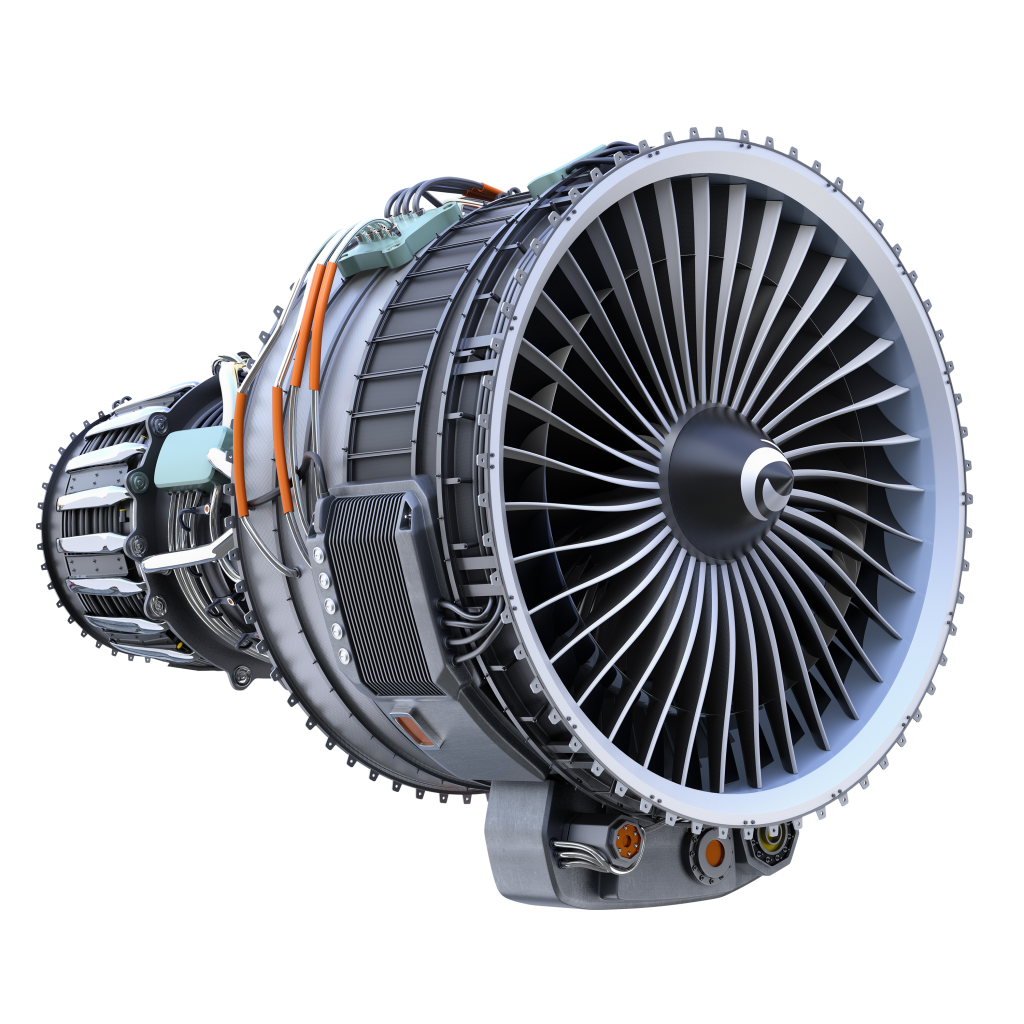
Film-cooling micro-hole arrays in turbine blades, fuel swirl vanes, Inconel lock rings.

Precision Extrusion Industries
Aluminum extrusion profile dies, plastic tubing mandrel nozzles with sharp interior corners.
Strategic Manufacturing Advantages for Volume EDM Procurement
Multi-Sheet Stacking for Volume Cost Compression
Wire EDM is often perceived as slow. For flat components, shims, and stamping prototypes, we clamp and stack up to 50 sheets in a single fixture. A single wire pass cuts 50 identical precision parts simultaneously, slashing machine-hour costs and lead times.
Complete Elimination of Cutting Tool Pressure
Because there is zero physical contact between wire and part, we machine ultra-slender pins, paper-thin structural ribs (down to 0.15 mm), and fragile medical jaws that would otherwise deflect, chatter, or shatter under traditional CNC milling tools.
Strict Recast Layer (White Layer) Control
Poorly calibrated EDM leaves an unannealed, brittle recast layer on cutting surfaces. XR Precision utilizes multi-pass sub-micron trim skim cuts (up to 5 skim passes) followed by chemical de-oxidation, ensuring pristine base-metal fatigue strength.
Fully Integrated Milling, Turning & EDM Ecosystem
You don't need to coordinate between a CNC milling shop and an external EDM vendor. We rough-machine, vacuum heat-treat to 60 HRC, and finish-cut on Swiss Wire EDM under one roof—ensuring total accountability for finished tolerances.
Sub-Micron Inspection for Intricate Geometries
Micro-features and internal splines cut by EDM cannot be verified with standard calipers. XR Precision inspects EDM geometries with dedicated optical and non-contact metrology.
Metrology Equipment Roster
- Zeiss CMM with Micro-Probing: Automated true position, pitch diameter, and taper angle inspection.
- High-Magnification Optical Video Measuring Systems: Measuring internal corner radii (down to R 0.05 mm), micro-apertures, and narrow wire slots.
- Surface Roughness Testers (Mitutoyo): Precise tracing of Ra and VDI 3400 spark erosion textures.
- Metallurgical Optical Microscopes: Cross-sectional inspection verifying the elimination of the recast layer on critical aerospace parts.
Deliverable Quality Documents
- Full Dimensional Inspection Reports & Optical Hole Diameter Certifications
- Raw Material Test Reports (MTR / Mill Certs) with chemical/hardness verification
- Certificate of Conformance (CoC)
How We Work
We machine over 50 industrial-grade metals and engineering plastics, with material certification (MTR) provided upon request.
Step 1: CAD/Print & Clearance Analysis
Reviewing internal radii, taper angles, and material electrical conductivity within 12 hours.
Step 2: Electrode Design & CAM Wirepath Simulation
Generating high-speed roughing and micro-trim skim passes with zero-wire-breakage algorithms.
Step 3: Submerged Sub-Micron Wire / Sinker EDM
Precision electrical discharge cutting under continuous deionized fluid cooling.
Step 4: Ultrasonic Cleaning & 100% Optical Inspection
Thorough de-carbonization, vacuum anti-corrosion packaging, and global door-to-door dispatch.
Explore Alternative & Complementary Machining Processes
Not sure if milling is optimal for your design? Consider these processes:

Need Cylindrical or Concentric Features?

Need Organic Curvatures or Complex Undercuts?

Hardened Metals or Sharp Square Corners?
EDM Machining FAQs
Can EDM machine non-conductive materials like plastics or ceramics?
Standard engineering plastics cannot be directly cut via EDM because the process requires an electrical current. However, we routinely use EDM to machine the hardened steel injection mold cavities and extrusion dies used to produce precision plastic components. Conductive ceramics (such as silicon carbide or titanium diboride) can be EDM-machined.
What is the recast layer (white layer) in EDM, and how does XR Precision manage it?
During EDM, intense electrical heat melts the metal surface, and the dielectric fluid rapidly quenches it. A microscopic, ultra-hard “recast layer” (typically 2 to 10 μm thick) re-solidifies on the surface. To prevent fatigue cracking on critical aerospace or medical parts, XR Precision uses multiple fine-energy “skim passes” followed by light acid etching or diamond paste polishing to completely remove this recast layer.
How sharp can an inside 90-degree corner be with Wire EDM?
Because Wire EDM cuts using a round wire plus a small spark gap (overcut), a true zero-radius corner is physically impossible. However, using our ultra-fine Ø 0.10 mm micro-wire, we can hold internal corner radii down to R 0.05 mm to R 0.07 mm (0.002”), which is virtually invisible to the naked eye and far sharper than any mechanical milling tool can achieve.
When is Wire EDM more economical than CNC Milling?
Wire EDM is significantly more cost-effective when:
- The material is fully hardened steel (> 55 HRC) or tough alloy like Inconel/Carbide;
- The workpiece is extremely tall (e.g., 100–300 mm) with narrow profiles where long end mills would chatter or break;
- You need sharp internal corners without expensive custom broaching;
- Thin sheets can be stacked and cut together in a single operation.